How Many Calories Does Weed Contain? Exploring the Nutritional Aspects of Cannabis

Weed has all sorts of surprising facts attached to it, but one question that doesn’t get asked nearly enough is: does it actually have calories? Whether you’re smoking a joint, eating a THC brownie, or adding cannabis oil to your smoothies, it might leave you wondering: how much calories in a weed are we really talking about? Let’s clear up some myths and look at what’s inside the plant, nutritionally speaking.
Introduction to Cannabis Calories
Let’s start by getting something straight—most people don’t think of weed as something with calories. It’s a plant, yes. But the way you consume it has a lot to do with whether or not you’re actually taking in any measurable energy (aka calories). Understanding this stuff matters, especially if you’re watching your nutrition, managing a medical condition, or just a curious stoner with a love for food science.
One of the biggest misconceptions out there? That smoking or vaping weed adds calories to your day. Spoiler: it doesn’t. But edibles? That’s a whole different story.
Does Raw Cannabis Contain Calories?
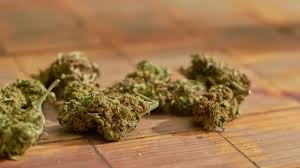
Yep, raw cannabis does technically have calories. It’s a plant like any other leafy green, which means it has carbohydrates, proteins, fiber, and even a tiny bit of fat—though most of these are present in pretty small amounts.
If you were to eat raw cannabis leaves or buds (we’re not necessarily saying you should), you’d be consuming nutrients just like munching on kale, spinach, or chard. The estimated calorie range? Somewhere between 200 to 400 calories per 100 grams. That’s mostly due to the fiber and small amounts of protein and carbs in the plant itself.
Now don’t get too excited—people aren’t usually eating piles of raw weed. And you’d really need to chow down to even start approaching the calorie content of, say, a sandwich or salad. So yes, it has calories, but no, it’s not a significant source unless you’re treating it like a leafy green in your diet (which some health-conscious folks do in smoothies or juices).
Methods of Cannabis Consumption and Calorie Intake
This is where most of the confusion comes in. Let’s break down what you’re actually putting into your body depending on how you use cannabis.
Smoking and Vaping
Good news: lighting up doesn’t add any calories. When you smoke or vape cannabis, you’re inhaling burned or vaporized compounds—mostly cannabinoids, terpenes, and other plant matter particles—not digesting food. Since there’s no digestion happening, there’s no calorie content going into your system. It’s kind of like breathing in scented air; you’re absorbing stuff, but you’re not gaining any energy from it.
Edibles and Infused Products
Here’s where the numbers can jump. Cannabis itself still doesn’t add many calories here—it’s the butter, sugar, flour, chocolate, and other ingredients packed into marijuana edibles that fuel the calorie count.
A typical pot brownie, for example, might have anywhere from 150 to 300 calories per serving, depending on how it’s made. The actual cannabis extract or oil usually adds very little to that number. So while gummies, cookies, chocolates, and other THC-infused snacks might hit your sweet tooth, they’re also sneaking in a bunch of calories like any regular treat would.
Other Methods: Tinctures, Capsules, Oils
Then there are delivery methods like tinctures, capsules, and oils. These can add small amounts of calories, usually depending on whether the cannabis is suspended in a carrier oil like MCT (medium-chain triglyceride) or olive oil. On average, you’re looking at around 7 to 10 calories per dose of an oil-based tincture. Not much, but still worth noting if you use them multiple times a day.
Nutritional and Health Benefits of Cannabis
Believe it or not, raw cannabis actually has some decent nutritional perks—not because it has tons of calories, but more because of the plant nutrients it brings to the table.
Raw cannabis offers vitamins, minerals, antioxidants, and fiber—pretty similar to what you’d get from other dark, leafy greens. It’s got Calcium, Iron, Vitamin K, and even some Omega fatty acids if you’re using seeds. Cannabinoids like CBD and THC in their raw, unheated forms (that means THCA and CBDA) also show some potential for health benefits when consumed raw—think anti-inflammatory properties, for starters.
But keep in mind, once cannabis is heated (as it is in smoking, vaping, or baking edibles), many of these raw plant nutrients get broken down. So you might lose some of that nutritional edge unless you’re juicing raw leaves or taking raw cannabis supplements.
Impact of Cannabis on Appetite and Metabolism
Okay, let’s talk munchies. Anyone who’s gotten high knows that urge to clean out the snack cabinet isn’t a myth. THC, the main psychoactive compound in cannabis, triggers hunger by interacting with receptors in your brain that control appetite.
Here’s the weird part, though. Despite all those post-joint snacking sessions, some studies show that regular cannabis users actually have lower BMIs (Body Mass Index) than non-users. Sounds counterintuitive, right? One theory is that daily users may have a revved-up metabolism or improved insulin sensitivity. Though this is still being studied, it’s a fascinating idea that cannabis might not lead to the weight gain you’d expect from all those late-night nachos.
That said, it totally depends on how you consume it. Smoking occasionally might not change much. But if you’re downing edibles loaded with sugar and butter all the time, that could definitely add up—and not in your favor.
Conclusion and Future Research
So, does weed have calories? Technically, yes—especially if we’re talking about raw cannabis. But for most users, the real impact on your daily calorie intake depends entirely on how you’re consuming it.
Smoking and vaping? No calories to worry about. Edibles? Whole different ballgame. Tinctures and oils? A few calories per dose. And those who use cannabis regularly might notice increased appetite—but that doesn’t always mean weight gain, surprisingly enough.
There’s still a lot to learn when it comes to cannabis and nutrition. What kinds of vitamins and minerals is it really delivering? How do cannabinoids affect metabolism in the long run? Future research could shine a lot more light on how weed fits into the picture of overall wellness.
In the meantime, just know this: if you’re worried about weed packing on pounds, it’s not the plant doing that—it’s probably what you’re eating afterwards.