Korean University Application System Faces Major Failure
Korean university application system experiences significant failure, prompting apologies from both the university body and the application vendor involved.
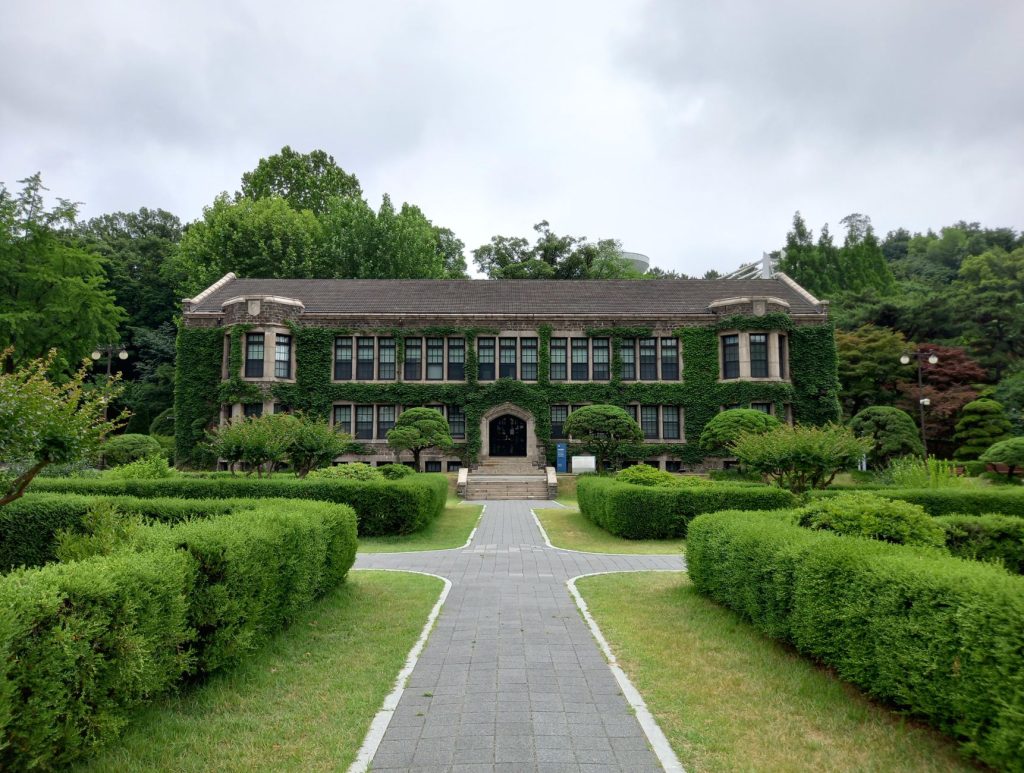
The Korean university application system has faced a major failure, leading to apologies from both the university body and the application vendor responsible for the mishap.
Overview of the System Failure
The recent failure of the Korean university application system has raised significant concerns among students and educational institutions alike. On the morning of the application deadline, many prospective students faced issues accessing the online portal, leading to widespread frustration and confusion.
According to reports, the technical difficulties stemmed from a server overload, which rendered the system nearly unusable for several hours. As a result, numerous applicants were unable to submit their applications on time, risking their chances of securing a spot in their desired programs.
In a joint statement, the Korean university body and the application vendor expressed their regret over the incident. They emphasized the importance of a reliable application process and assured stakeholders that they are investigating the root causes of the failure. They also committed to implementing measures to prevent similar issues in the future.
The implications of this failure extend beyond administrative chaos, as many students now face uncertainty regarding their educational futures. The Korean university application system is crucial for these individuals, and stakeholders are calling for immediate action to rectify the situation.
Reactions from Students
Students across South Korea have expressed their frustration following the recent failure of the Korean university application system. Many have taken to social media to voice their concerns, sharing their experiences during what was supposed to be a crucial period in their academic careers.
One student, Ji-soo, stated, “I spent months preparing my application, only to face this technical disaster. It’s disheartening to see such a lack of reliability in a system that determines our future.”
Others have echoed similar sentiments, highlighting the emotional and psychological toll this incident has taken on applicants. Many are worried about missing deadlines or being unable to submit necessary documents due to the system’s malfunction.
In response to the turmoil, a group of students organized a petition demanding accountability from both the university body and the application vendor. They are calling for transparency in the investigation of the failure and improvements to ensure a more reliable Korean university application system in the future.
As the situation develops, students remain hopeful that their voices will lead to meaningful changes in the application process.
University’s Response
In response to the widespread frustration among students and parents, the university’s administration has issued a formal apology regarding the recent failure of the Korean university application system. A spokesperson for the university stated, “We understand the significant impact this issue has had on our applicants, and we are deeply sorry for the inconvenience caused.”
The administration has promised a thorough investigation into the technical glitches that led to the system’s failure. They have also committed to enhancing the infrastructure to prevent similar occurrences in the future. “We are working closely with our technology partners to identify the root causes and implement lasting solutions,” the spokesperson added.
As part of their response, the university has outlined several immediate measures:
- Extending application deadlines for all affected students.
- Providing additional support and resources for applicants navigating the process.
- Hosting virtual information sessions to update stakeholders on the corrective actions being taken.
University officials expressed their determination to restore trust in the Korean university application system and ensure a smoother experience for future applicants.
Vendor’s Apology
The company responsible for managing the Korean university application system has issued a formal apology following the recent system failure that impacted thousands of applicants. In a statement released to the media, the vendor acknowledged the technical issues that caused delays and disruptions during peak application periods.
“We deeply regret the inconvenience caused to students and universities alike,” the vendor’s spokesperson said. “Our team is working diligently to rectify the issues and ensure a smoother process in the future.” The apology comes after several complaints from students who faced difficulties submitting their applications, leading to anxiety and uncertainty about their future educational prospects.
In addition to the apology, the vendor outlined a series of measures aimed at preventing similar failures. These include:
- Upgrading system infrastructure
- Implementing more rigorous testing protocols
- Providing enhanced customer support during application periods
Many students are hopeful that these changes will restore their faith in the Korean university application system, allowing for a more reliable experience moving forward.
Impact on Admissions Process
The recent failure of the Korean university application system has significantly disrupted the admissions process for prospective students. As universities grapple with the aftermath, many are left with questions about how to proceed amidst the chaos.
Several key impacts have been observed:
- Delayed Applications: Many students were unable to submit their applications on time, leading to extended deadlines and uncertainty.
- Increased Stress: The technical issues have caused heightened anxiety among applicants who fear missing out on their desired programs.
- Loss of Trust: The reliability of the application system has come into question, prompting concerns about its future viability.
- Adjustment of Admission Criteria: Universities may need to reconsider their admission criteria due to the discrepancies caused by the system failure.
As the situation unfolds, stakeholders are closely monitoring how these challenges will shape the admissions landscape for this academic year. The long-term implications of this failure may lead to a reevaluation of the current Korean university application system, urging improvements to avoid similar setbacks in the future.
Future Steps for Improvement
In light of the recent failures within the Korean university application system, several essential steps are being proposed to enhance the reliability and functionality of the platform. Stakeholders from various sectors are calling for a comprehensive review of the existing system to identify critical weaknesses and establish a more robust framework for future applications.
To address these issues, the following measures are being considered:
- Investment in Technology: Universities will collaborate with technology experts to upgrade the application system, ensuring it can handle higher traffic volumes and complex data processing.
- User Training: Providing training sessions for both staff and applicants is crucial to facilitate a better understanding of the system and minimize user errors during the application process.
- Feedback Mechanism: Establishing a real-time feedback system where students can report issues as they arise will allow for quicker resolutions and improvements.
- Regular Audits: Conducting regular audits of the application system will help to identify vulnerabilities and ensure ongoing compliance with best practices.
Implementing these strategies could significantly enhance the Korean university application system, restoring trust among students and stakeholders alike.
Comparisons to Previous Failures
The recent failure of the Korean university application system has drawn comparisons to earlier incidents that highlighted vulnerabilities within the process. In 2018, a similar technical glitch disrupted the application submissions for several universities, leaving many students anxious and frustrated. This previous incident raised questions about the reliability of the technology used in these crucial periods, yet it seems that lessons were not fully learned.
In 2020, another breakdown occurred, affecting the admissions timeline for multiple institutions. Students and parents expressed concerns over the adequacy of contingency plans, as many felt unprepared for the sudden shifts in application deadlines. Such reoccurrences have led to increased scrutiny of the current vendor managing the application system.
Key differences between these past failures and the recent one include:
- Severity of the impact on students, with this year’s issues affecting a larger number of applicants.
- Response time from university officials, who have faced criticism for their handling of the situation.
- Communication with stakeholders, which has been described as inadequate in the wake of the latest failure.
These comparisons highlight the pressing need for a reevaluation of the Korean university application system to ensure a more reliable future for applicants.
Expert Opinions on System Reliability
Experts in educational technology have expressed serious concerns regarding the reliability of the Korean university application system following its recent failure. Dr. Min-ji Park, a professor of Computer Science at Seoul National University, stated, “This incident raises questions about the robustness of our digital infrastructure, particularly when it comes to critical processes like university applications.”
Another expert, Mr. Ji-hoon Lee, a consultant specializing in educational systems, highlighted the potential long-term implications of such failures. “Students’ futures are at stake, and a malfunctioning application system can lead to lost opportunities. Universities need to ensure they have contingency plans in place.”
The issues with the Korean university application system have prompted discussions about the need for thorough testing and monitoring of technology used in admissions processes. Dr. Soo-yeon Choi, a technology analyst, emphasized, “Investing in more reliable systems should be a priority. The credibility of the universities is on the line, and they must regain the trust of applicants.”
As stakeholders look for solutions, many believe that a comprehensive review of the application system is necessary to prevent future failures.
Photo by Jueon Kim 김주언 on Pexels