Sativa vs Indica: What New Cannabis Shoppers Should Understand
Explore the basic difference between Sativa and Indica cannabis for shoppers. Learn about cultivars, cannabinoids, and terpenes.
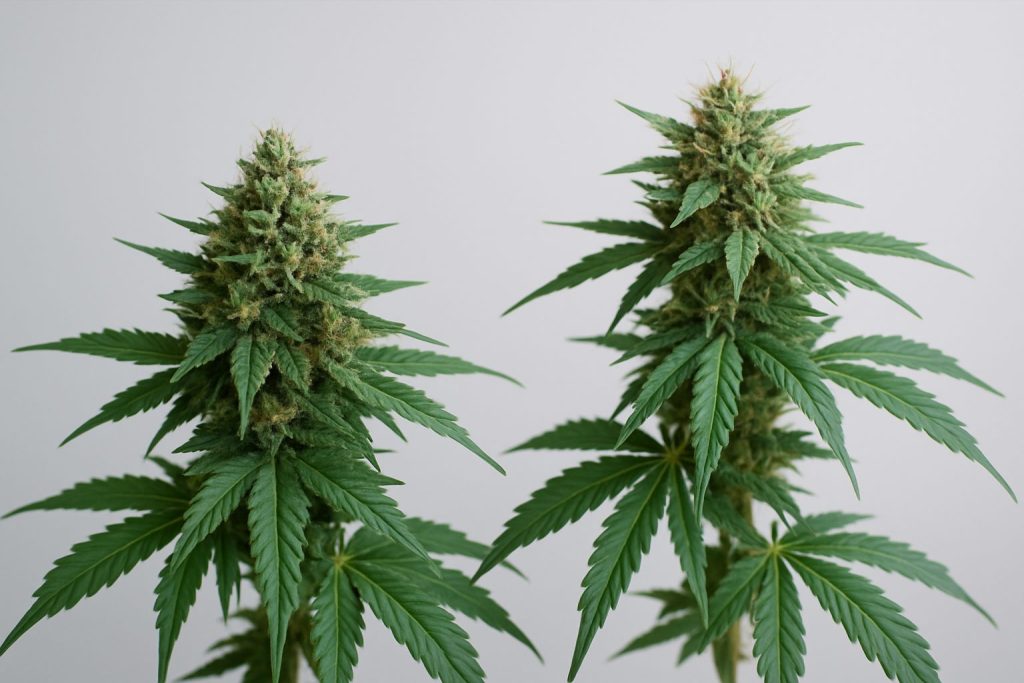
Entering the cannabis market can involve learning a range of unfamiliar terms, especially when comparing different cultivars and products. The traditional Sativa vs Indica distinction is one of the most common concepts new shoppers encounter. These categories offer a basic way to discuss plant characteristics and genetic backgrounds, while modern cannabis products provide additional information through cannabinoid content, terpene profiles, cultivar names, and product formats.
What’s Covered
- What Is the Basic Difference Between Sativa and Indica?
- Why Do These Categories Matter to New Shoppers?
- What Should Shoppers Know About Cultivars?
- How Do Cannabinoids Appear in Product Information?
- Why Should Terpenes Be Part of the Conversation?
- How Can Flower Appearance Help?
- What Are Hybrid Cannabis Varieties?
- Does the Category Explain Aroma and Flavor?
- What Other Product Details Are Worth Reviewing?
- How Can New Shoppers Build Their Understanding?
- Why Has Cannabis Classification Become More Complex?
- Conclusion
What Is the Basic Difference Between Sativa and Indica?
Sativa and indica are traditional cannabis classifications based largely on differences in plant characteristics. Sativa-associated plants are generally recognized for taller growth, narrower leaves, and a more open structure.
Indica-associated plants are traditionally described as shorter and more compact, with broader leaves and denser growth. These characteristics create a useful starting point for understanding the terminology used throughout the cannabis industry.
Why Do These Categories Matter to New Shoppers?
For someone unfamiliar with cannabis terminology, broad categories can make product descriptions easier to navigate. Instead of approaching every cultivar as completely unfamiliar, shoppers can first understand its traditional classification.
These labels are most useful as general reference points. Modern breeding has produced many varieties that combine characteristics from different cannabis lineages, so additional product information can provide greater detail.
What Should Shoppers Know About Cultivars?
A cultivar is an individual cultivated cannabis variety with its own genetic characteristics. The cultivar name can provide more specific information than simply identifying a product as sativa, indica, or hybrid.
Genetics can influence plant structure, flower development, aroma, flavor, terpene production, and cannabinoid composition. This is why products within the same broad category can still have noticeably different profiles.
How Do Cannabinoids Appear in Product Information?
Cannabinoids are naturally occurring compounds found in cannabis. THC and CBD are among the most commonly listed on product labels and descriptions.
Their concentrations can vary considerably between individual products. Reviewing cannabinoid information alongside the traditional category can therefore provide a more complete understanding of a product’s composition.
Why Should Terpenes Be Part of the Conversation?
Terpenes contribute to the characteristic aroma and flavor of cannabis. Different varieties can contain different combinations and concentrations of these aromatic compounds.
Commonly discussed terpenes include limonene, myrcene, pinene, and caryophyllene. Depending on the profile, cannabis may feature citrus, fruity, earthy, floral, pine, herbal, or spicy notes.
For new shoppers, terpene information offers another useful way to understand differences between cultivars.
How Can Flower Appearance Help?
Cannabis flower can display noticeable differences in shape, density, color, size, and trichome coverage. Traditional indica-associated genetics are often connected with compact flowers, while sativa-associated genetics may produce more elongated structures.
However, modern hybrids can display combinations of these characteristics. Growing conditions, harvesting, drying, and curing can also influence the final appearance of flower.
What Are Hybrid Cannabis Varieties?
Hybrid varieties combine genetics from different cannabis lineages. They have become an important part of the modern cannabis market and contribute significantly to its variety.
A hybrid can display characteristics associated with traditional sativa, indica, or both. This creates a broad spectrum of cultivars with different physical, aromatic, and chemical profiles.
Does the Category Explain Aroma and Flavor?
Not by itself. Aroma and flavor are strongly influenced by terpene composition and individual genetics. Two cultivars sharing the same traditional classification can have completely different sensory characteristics.
Product descriptions that include terpene information can therefore provide useful context when exploring different aromas and flavors.
What Other Product Details Are Worth Reviewing?
New shoppers can look beyond the primary category and examine several details together. Useful information may include cultivar name, THC and CBD content, terpene profile, product weight, format, aroma, flavor, and flower characteristics.
This broader approach gives a more detailed picture of an individual product and helps distinguish products that might otherwise appear similar based on category alone.
How Can New Shoppers Build Their Understanding?
Learning cannabis terminology does not have to happen all at once. Starting with basic classifications and gradually becoming familiar with cannabinoids, terpenes, cultivars, and product formats can make product descriptions increasingly easy to understand.
Comparing different profiles can also help shoppers recognize the diversity within each traditional category and appreciate the characteristics that make individual cultivars distinctive.
Why Has Cannabis Classification Become More Complex?
Modern breeding has created extensive genetic combinations, making the traditional division between sativa and indica less rigid than it may initially appear. Many contemporary cultivars contain characteristics from multiple lineages.
This development has expanded the range of cannabis products available today and encouraged a more detailed approach to describing individual varieties.
Conclusion
New cannabis shoppers can use sativa and indica as familiar starting points for understanding traditional cannabis classifications. Sativa is generally associated with taller plants and narrower leaves, while indica is traditionally linked with shorter, compact growth and broader foliage. Modern hybrids have expanded these characteristics across a much wider spectrum. By combining traditional labels with cultivar information, cannabinoids, terpenes, aroma, appearance, and product details, shoppers can develop a clearer and more complete understanding of today’s diverse cannabis market.
Top of Form
Quick Summary
- Sativa plants are recognized for taller growth and narrower leaves, while indica plants are shorter with broader leaves and denser growth.
- Cultivars are individual cultivated cannabis varieties with distinct genetic characteristics that can affect plant structure, aroma, flavor, and cannabinoid composition.
- Cannabinoids like THC and CBD are naturally occurring compounds in cannabis, and their concentrations can vary significantly among products.
- Terpenes are aromatic compounds present in cannabis that contribute to its flavor and fragrance, with various combinations resulting in different sensory experiences.
- Modern hybrids combine genetics from different cannabis lineages, leading to a diverse range of cultivars that may exhibit characteristics of both sativa and indica.
- Understanding cannabis requires looking beyond traditional classifications to include cannabinoid content, terpene profiles, and other product specifics.